Greenwood Lake does not fish like a lake of its size.
Nineteen hundred acres sounds like open water and a long day of searching. In practice it is narrow, shallow through most of its length, and full of edges — weed lines, rock, sudden drops, three wooded islands. The fish are findable rather than scattered, and a morning here is rarely a blank.
The awkward part is not the fishing. It is getting on the water at all, and we would rather you heard it here than found it out in a parking lot at six in the morning.
Almost none of this lake is publicly reachable
New Jersey has long lacked a true free public boat launch on Greenwood Lake. Brown’s Point Park in West Milford is the de facto public option and it is car-top only — no trailers. There is a small car-top launch near the dam on the southeast side with parking for three or four cars, and West Milford runs a self-service kayak launch on Belcher’s Creek.
Everything else goes in through a marina, for a fee, and several have stopped allowing public day launching altogether. Call before you tow anything up here rather than assuming.
This is being fixed, slowly. New Jersey awarded a design contract in August 2025 for a boat ramp and parking at Brown’s Point. Until that is built, guests staying with us have the easier answer: the dock, and the boats already in the boathouse.
One license covers the whole lake
The geography invites the opposite assumption. The New York–New Jersey border runs down the length of the lake, so the natural worry is two licenses, or keeping half an eye on which state you have drifted into.
You do not. Under New Jersey’s administrative code for this water, a license from either state is honored across the whole of Greenwood Lake. Buy whichever is easier. Both states sell online and it takes about five minutes.
Three other rules worth carrying. Fishing is permitted around the clock, which matters more than it sounds, because the best hours here are the ones either side of the middle of the day. If you bring bait rather than buying it locally, only certified virus-free baitfish may be used on the New York-owned portion. And bow-and-arrow fishing is allowed for carp, sucker, herring, catfish and eel, but crossbows are not permitted on this lake.
Regulations change. The current New Jersey Fish & Wildlife Digest and the NYSDEC pages are the versions that count on the day, not this one.
Musky is the headline; panfish is what you will catch
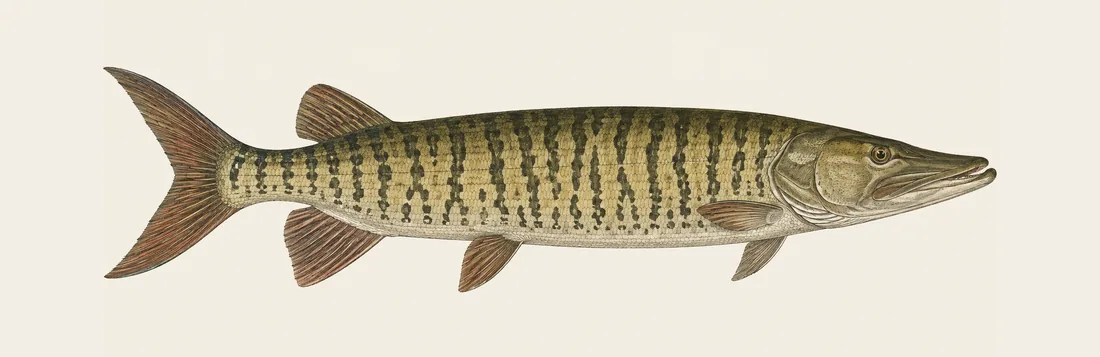
NYSDEC lists walleye, largemouth and smallmouth bass, crappie and other panfish — a mixed fishery rather than a one-species pond. The headline is musky: both pure-strain and tiger muskellunge are stocked here annually, and the lake has a long reputation for producing fish worth photographing.
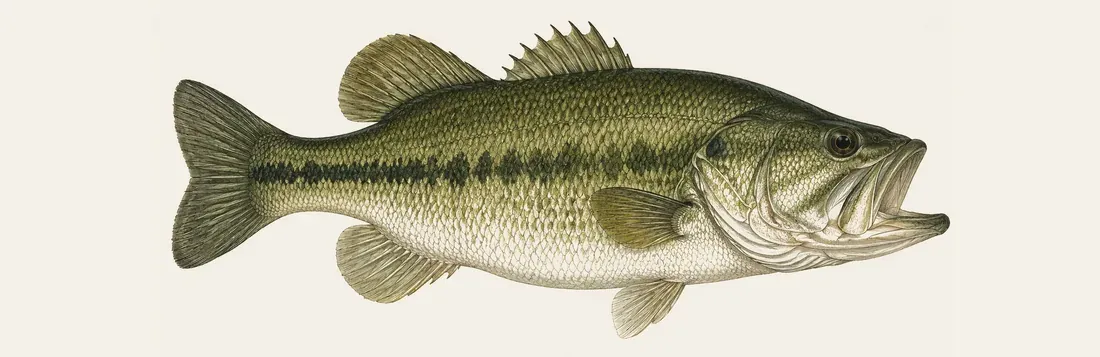
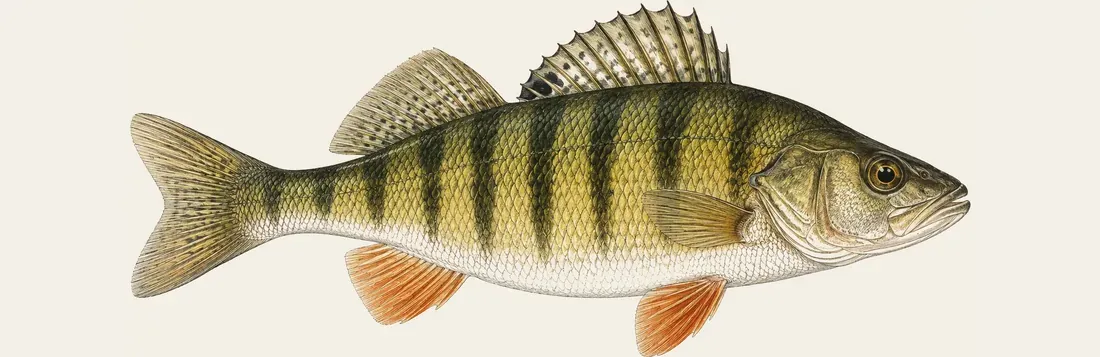
Most people come for the bass and spend half the trip on panfish, which is not a criticism of either. The perch and crappie are abundant and forgiving, and if you are fishing with children who need something to happen inside the first twenty minutes, they are the reason the day works at all.
The bass rules are stricter than people expect
Largemouth and smallmouth are catch-and-release from January until the harvest opener in the second half of June, and catch-and-release again through December. In between it is a twelve-inch minimum and five fish.
Walleye run to eighteen inches and three a day, closed to harvest through March and April. Musky and tiger musky are a forty-four-inch minimum and one fish, all year, which tells you something about the size of them.
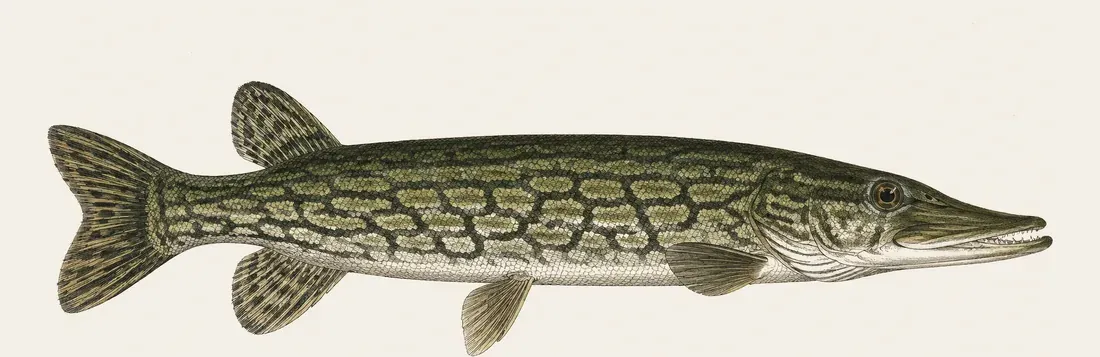
Panfish are far more generous: crappie at eight inches and ten a day, yellow perch and sunfish with no minimum at all and fifty apiece, pickerel at fifteen inches and five. The two states publish these in slightly different words, so if a date matters to you, read the New Jersey digest and the NYSDEC border-waters table rather than trusting any summary, ours included.
Start at the islands
The numbers explain this lake better than a map does. 1,918 acres, a maximum depth of 57 feet, and a mean depth of only seventeen — so the deep hole is the exception and most of what you are fishing is comfortably within reach. The bed is hard: boulder and rock with sand and gravel between, and submerged points and humps scattered through it. This is not a soft silty lake and it does not fish like one.
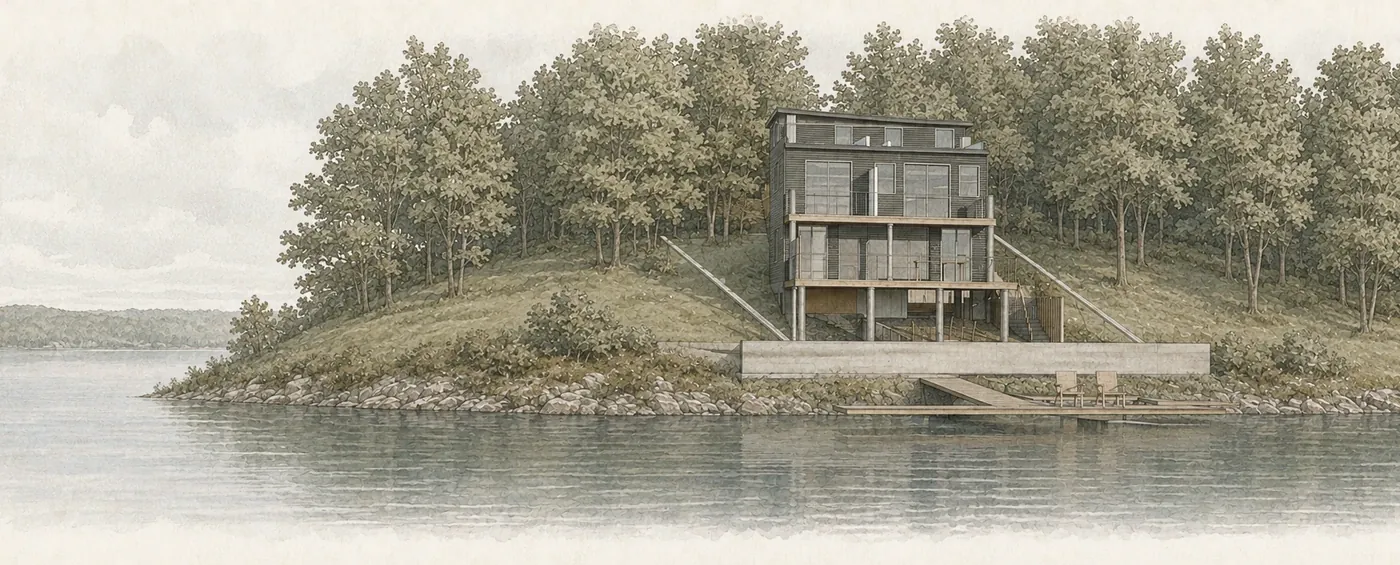
The water around Storms Island, and the stretch north of Fox Island, is consistently named as the best of it — particularly along the outside edges in ten or twelve feet, where the drop is close enough that fish move up and down it without committing to anything. The two channels at Greenwood Lake Village and the water west of Fox Island are the other places worth real time rather than a passing cast.
Bass hold in the weed, with one local wrinkle: beds that have been chemically treated do not produce, so it is worth learning to spot untreated growth and fishing that instead. The bays and coves are thick with stumps and weed. You will lose tackle in there. It is generally worth it.
Season changes the answer more than tackle does
In early spring the shallows warm first and pull walleye up to feed, especially over rock and around the inlet channels. That is the narrowest and most rewarding window of the year.
As things warm, work points, drop-offs, rock ledges, and any flat that happens to sit beside deeper water. By high summer the middle of the day belongs to boat traffic — on this much water in July it genuinely does — so fish early, fish late, and spend the afternoon somewhere else.
Autumn is the quiet reward: fewer boats, cooling water, and fish feeding hard before it shuts down.
Winter is not the off-season, it is a different lake
When Greenwood Lake makes good ice it draws ice fishermen, and the species worth the walk out are the same ones you would chase in June — perch and crappie through the day, pickerel and the occasional walleye for anyone prepared to sit still in the cold.
And occasionally something a great deal better than that. In February 2026 an angler took a muskellunge of just over forty-five pounds through the ice here, weighed on a certified scale at the state hatchery. A New Jersey record. People who fish this lake in winter are not doing it for the fresh air.
We will not tell you the ice is safe, because nobody can do that responsibly from a website in September. Conditions vary hugely across a lake this long and shallow and they change week to week. Check locally, ask at a marina, and never take a stranger’s word for the thickness under your feet. Ours included.
Check the drawdown before a late-autumn trip
The lake is lowered deliberately, to control weed and let shoreline owners work on their docks. The current management plan calls for a five-foot drawdown starting in October 2026 and every five years after, beginning around the second Tuesday of the month and refilling from January.
If you are coming in late autumn or early winter of one of those years, that changes the water you will find: shallower, with hazards nearer the surface than the chart suggests, and marina ramps affected. Worth a call to the Greenwood Lake Commission or a marina before you tow anything up here.
SourcesNYSDEC · New Jersey Fish & Wildlife · New Jersey Freshwater Fishing Digest · Greenwood Lake Commission